

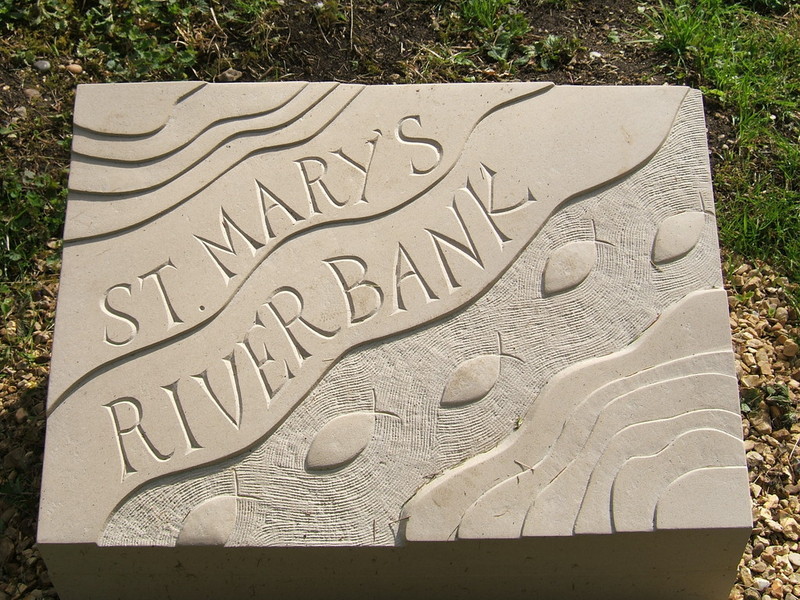
St. Mary's Riverbank
Background to the Project
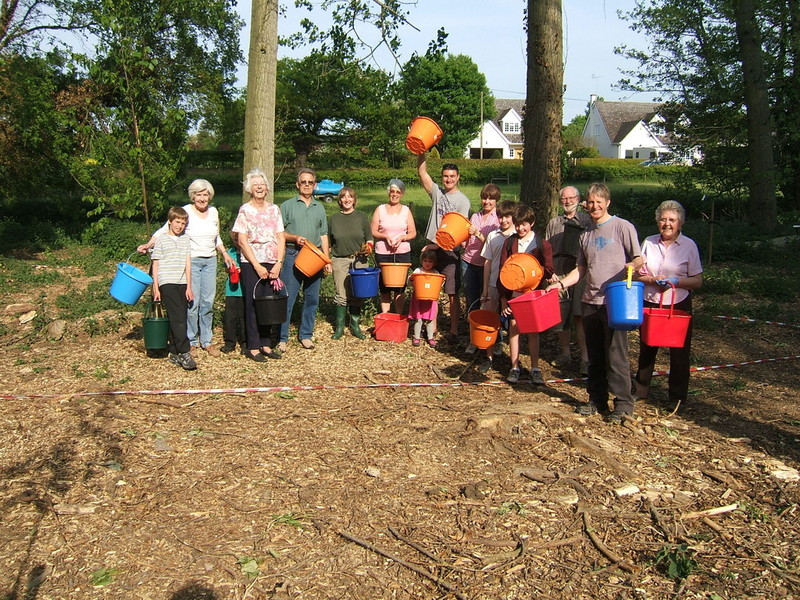
Ideas to transform an un-useable part of St Mary’s churchyard first started to take shape in the autumn of 2008. Key to the success of the project was the local community’s desire for the planned changes, and that the changes would be of benefit to both people and wildlife. At all stages of the project advice of experts was sought and and local groups and schools were encouraged to get involved.
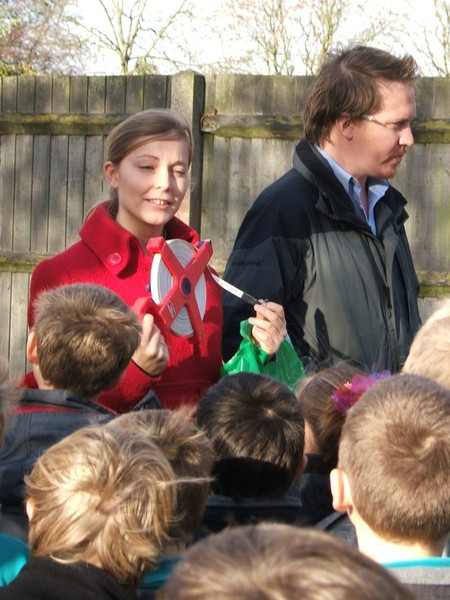
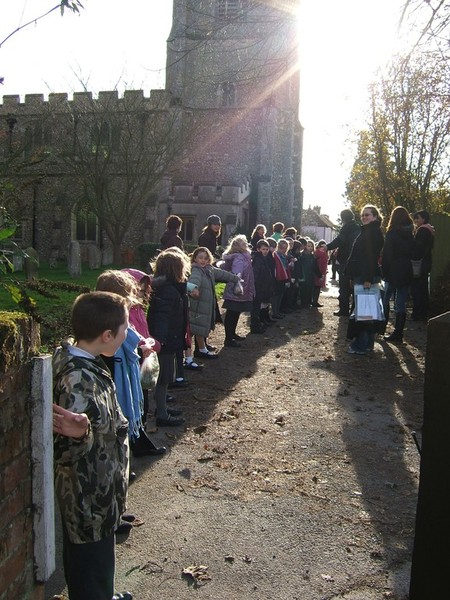
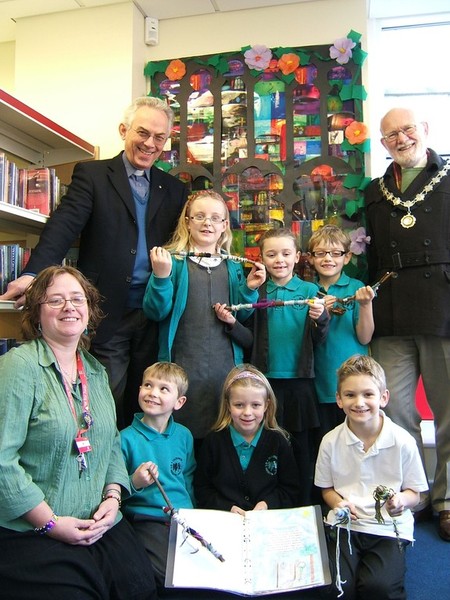
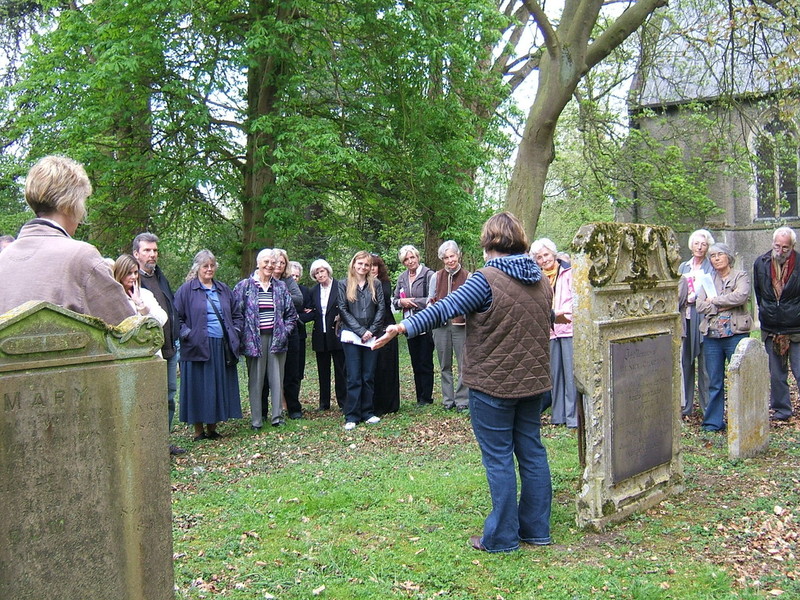
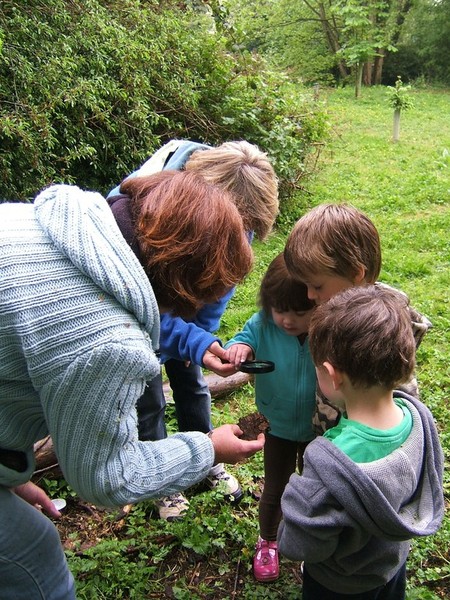
As part of the consultation programme, tutors from Writtle College ran participatory sessions with local school children to gather their views and ideas. A year long programme called “The Diary of a Country Churchyard” was run with the Dunmow Library in 2010. This had the central aim of bringing new groups to visit the Churchyard so that they can more actively contribute to the Riverbank project.
Key groups involved include:
Essex Ecology Services, Essex Wildlife Churchyard Survey Group Officer, Diocesan Tree Officer, Stephen Barnes & Earthworks, Dunmow Town Counci, Essex Highways
J.S Wright & Sons, Cricket Bat Willow Specialists, Writtle College & CADE
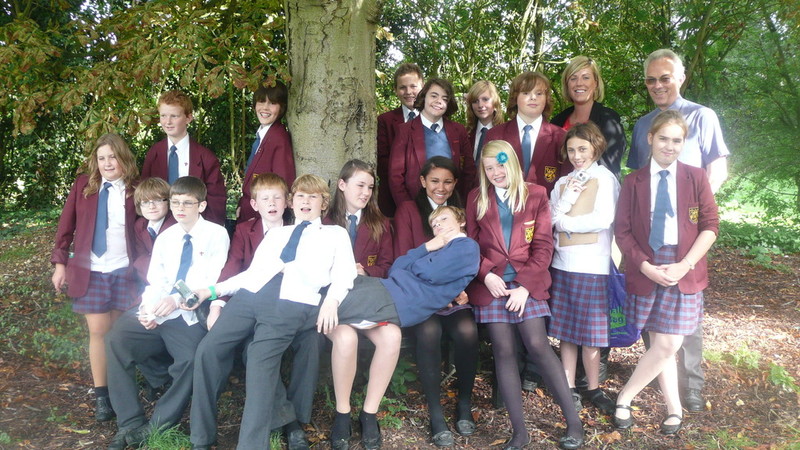
Dunmow Historical Society, Pupils and staff of Dunmow St. Mary’s Primary School,
Children & Staff of St. Mary’s Nursery School, Pupils & Staff of Helena Romanes Secondary School, Dunmow Brownies & Cub Scouts Leaders, Children & Staff of Freedom Day Care Nursery, Dunmow Library Manager& staff, Dunmow Housebound & Disabled Club
Alex O’Malley & Technical Tree Services, Families who have relatives buried in the Churchyard
The funding has come from two sources: Stansted Airport Community Fund, who provided £2,000 to fund a feasibility study; and Community Spaces, a Heritage Lottery-funded body who have provided two grants totalling in excess of £52,000.
The Riverbank Walk
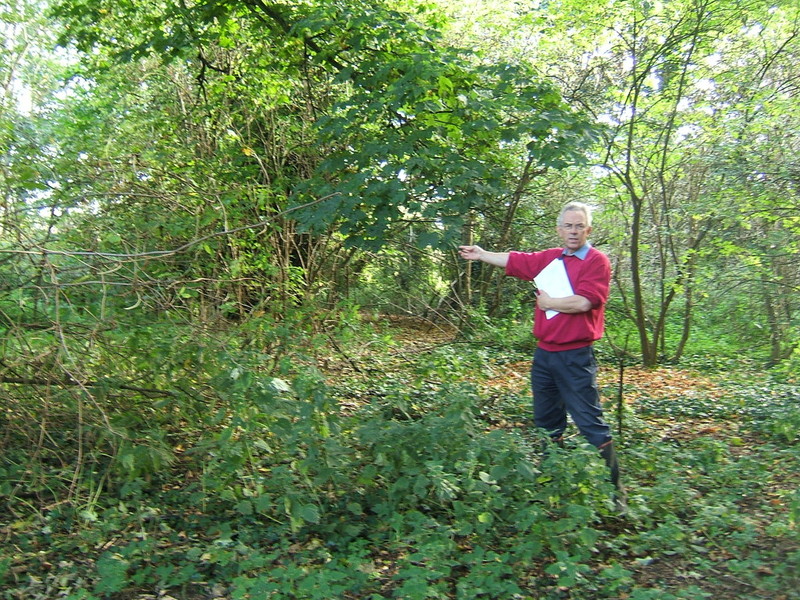
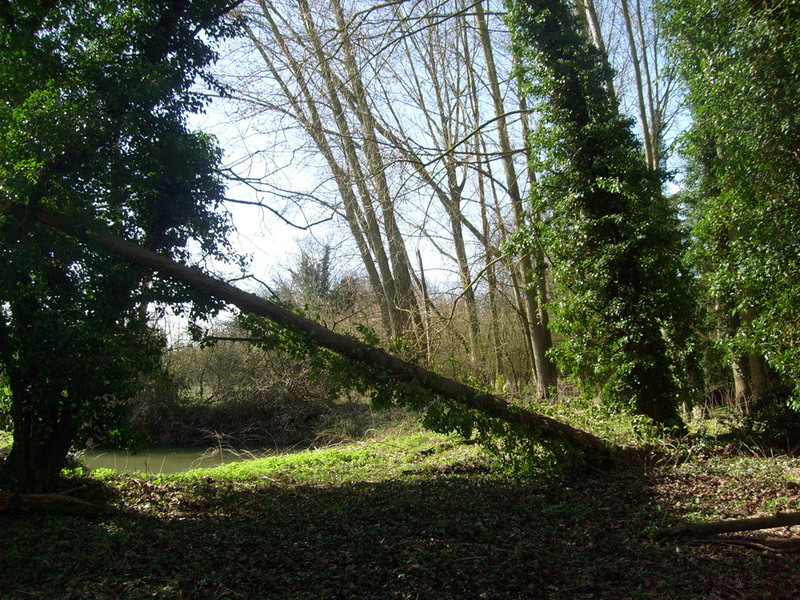
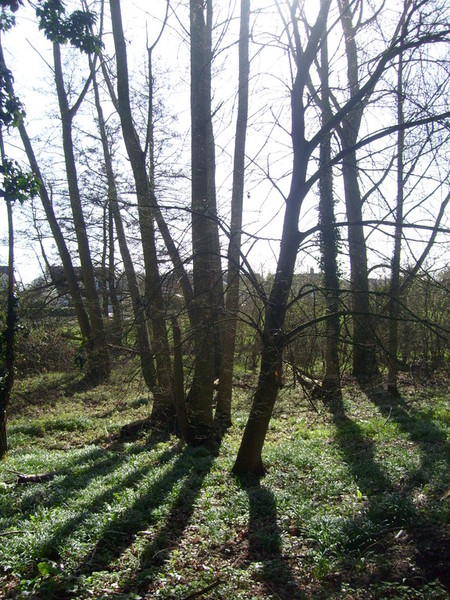
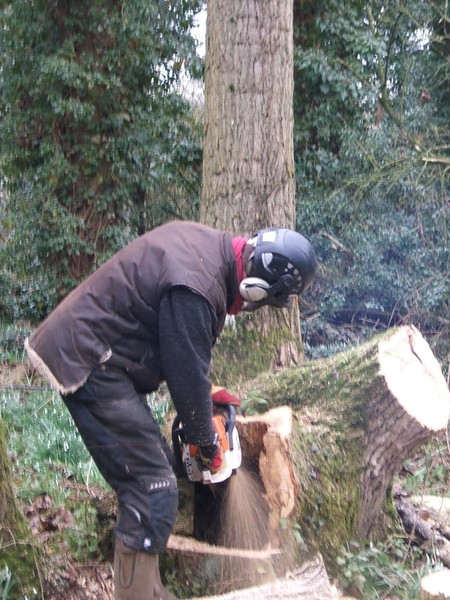
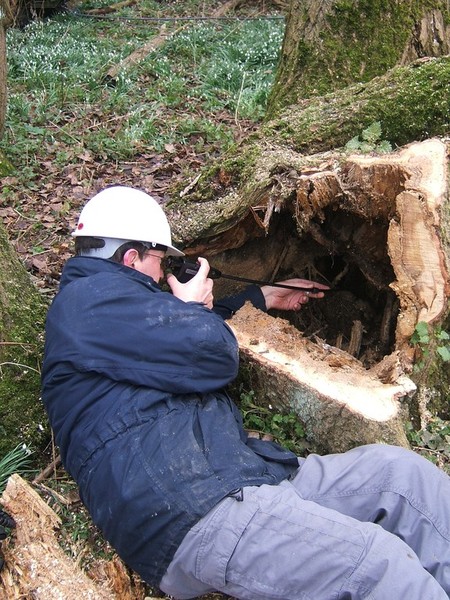
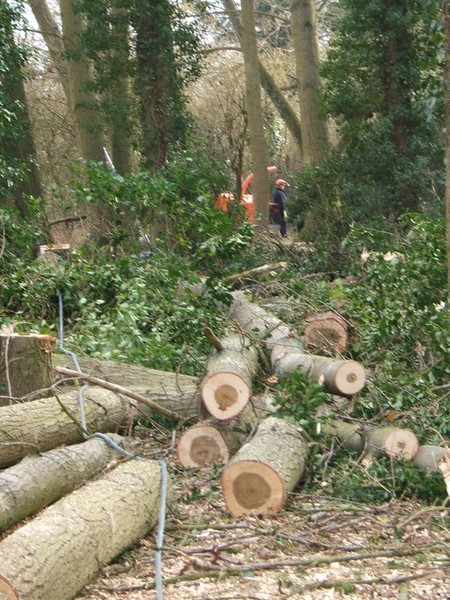
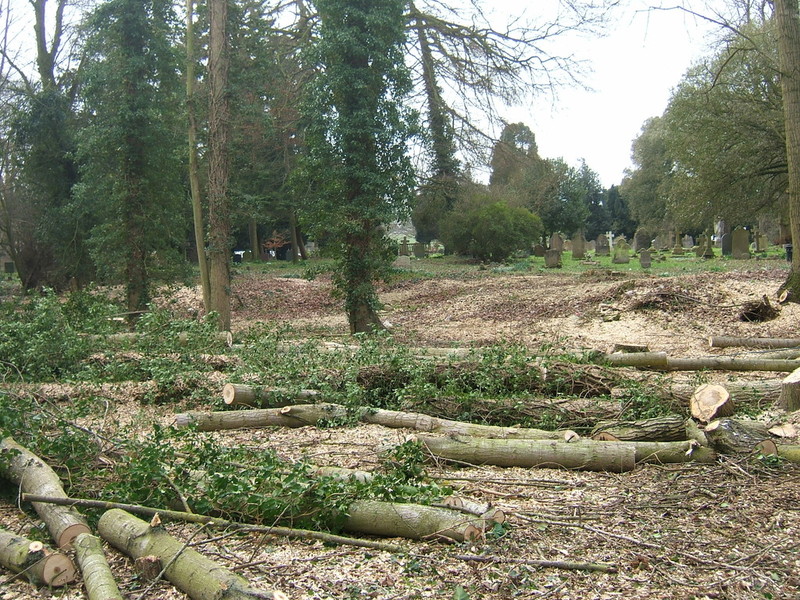
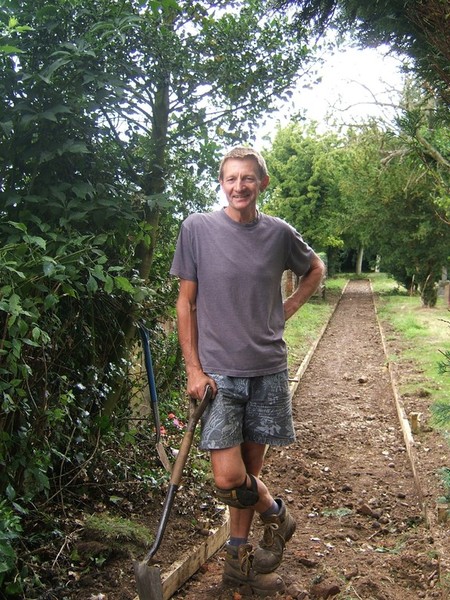
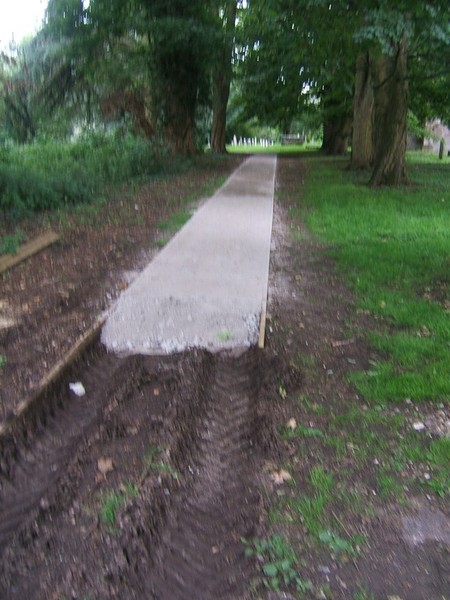
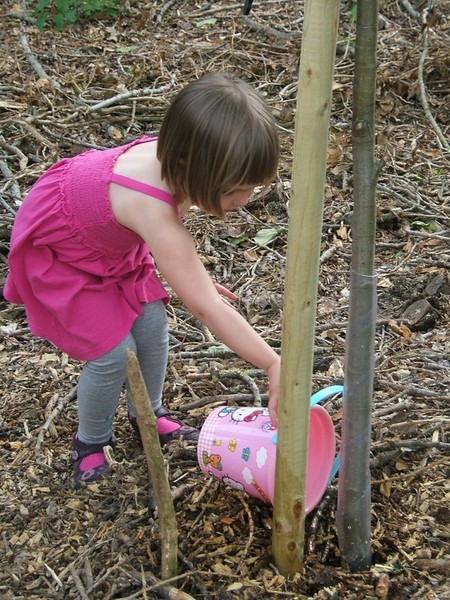
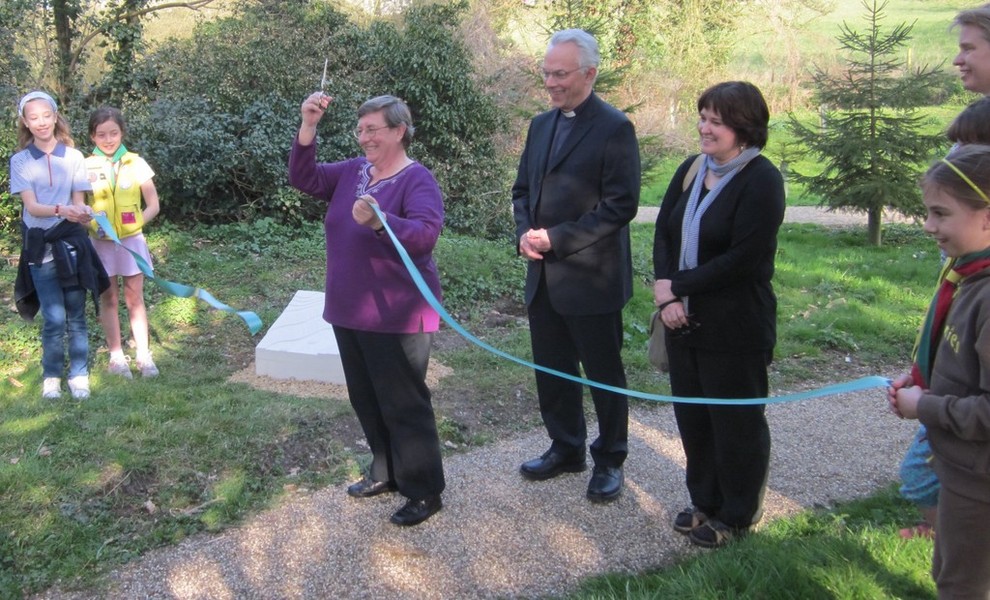
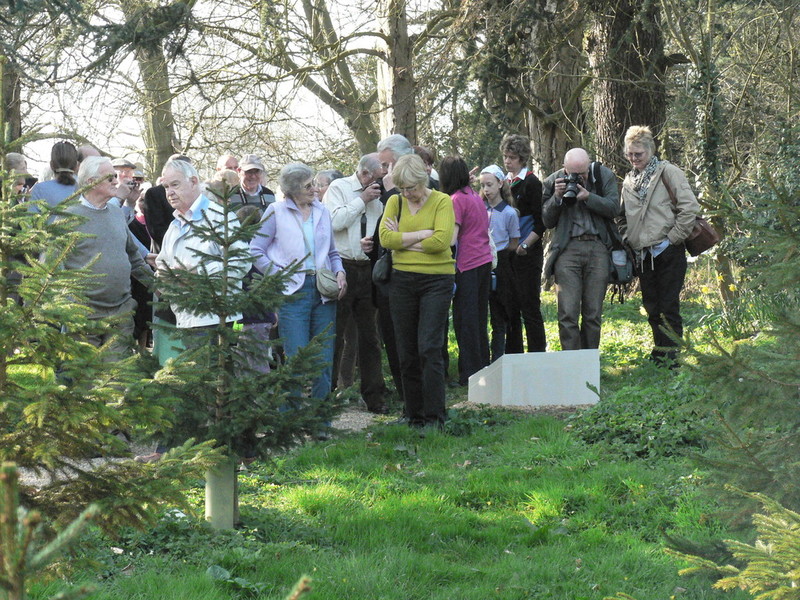
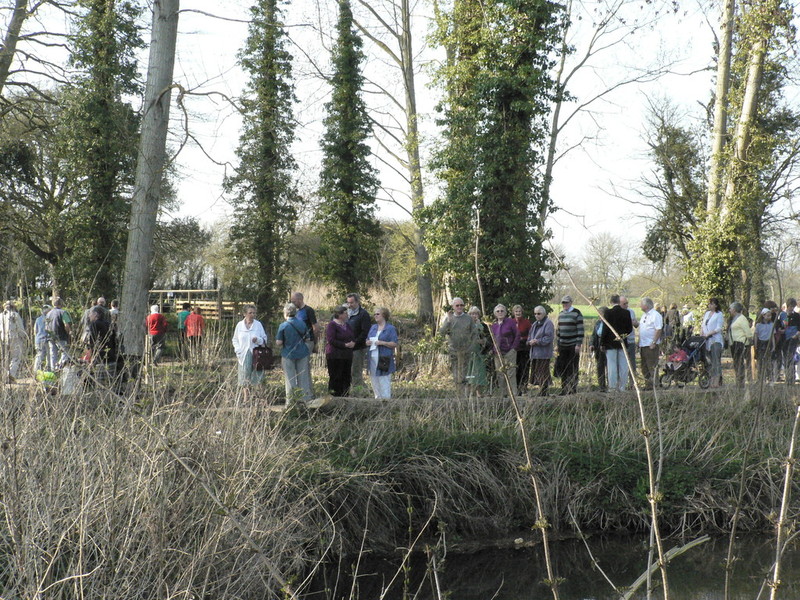
The un-useable portion of St. Mary's churchyard has been transformed. Where once there was an impenetrable thicket, with mature, toppling Poplar trees, there is now a pathway accessible for all. The 60 mature Poplars have been replaced by 60 young trees of many varieties. The thicket has been removed and thousands of plants have been planted. We continue to deal with stinging nettles, but enjoy the glory of fresh shapes, textures and colours.
 Print
Print 